Young Chefs initiates partnership with JustFood Co-op

Young Chefs is all about bringing cooking to the next generation to promote healthy eating; we want our young chefs to become aware of the health benefits of nutritiously delicious food, while also gaining experience with creativity and experimentation.

This idea is near and dear to the Just Food Co-op, the whole foods grocery store in Northfield, MN. Ever since the inception of Young Chefs three years ago, we have worked closely together with the Co-op in various events, mostly by hosting healthy cooking classes for youth at their community center. And when Bill Yosses, former White House pastry chef, came to visit a few weeks ago, the Co-op played a crucial role in marketing and support for our public events.

Today, we are proud to announce a new milestone in our partnership. From this week, JustFood Co-op will support Young Chefs by providing healthy and wholesome foods for our classes in Minnesota. This partnership will not only ensure that we can utilize the best possible ingredients available and truly teach the Young Chefs about the value of quality, but will also provide avenues for the Co-op to spread their vision to new populations. We are looking forward to where the synergy can take us!

Thank you, Co-op!
coop

logo

In search of the perfect cookie: Week 2 in Northfield, MN

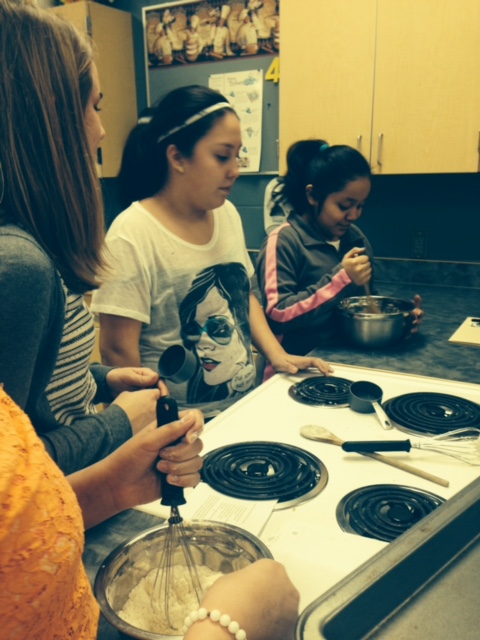
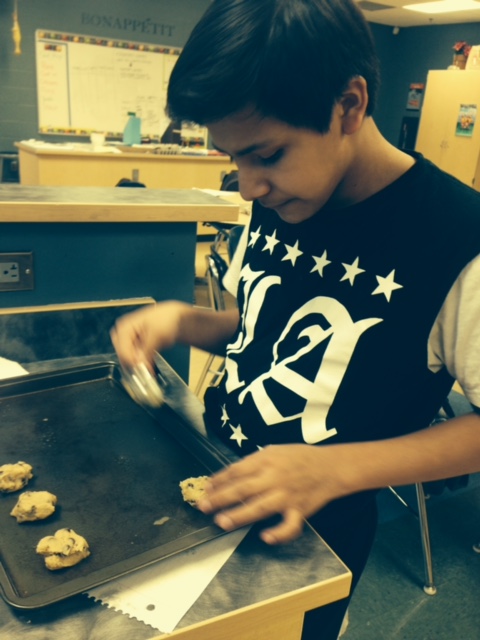
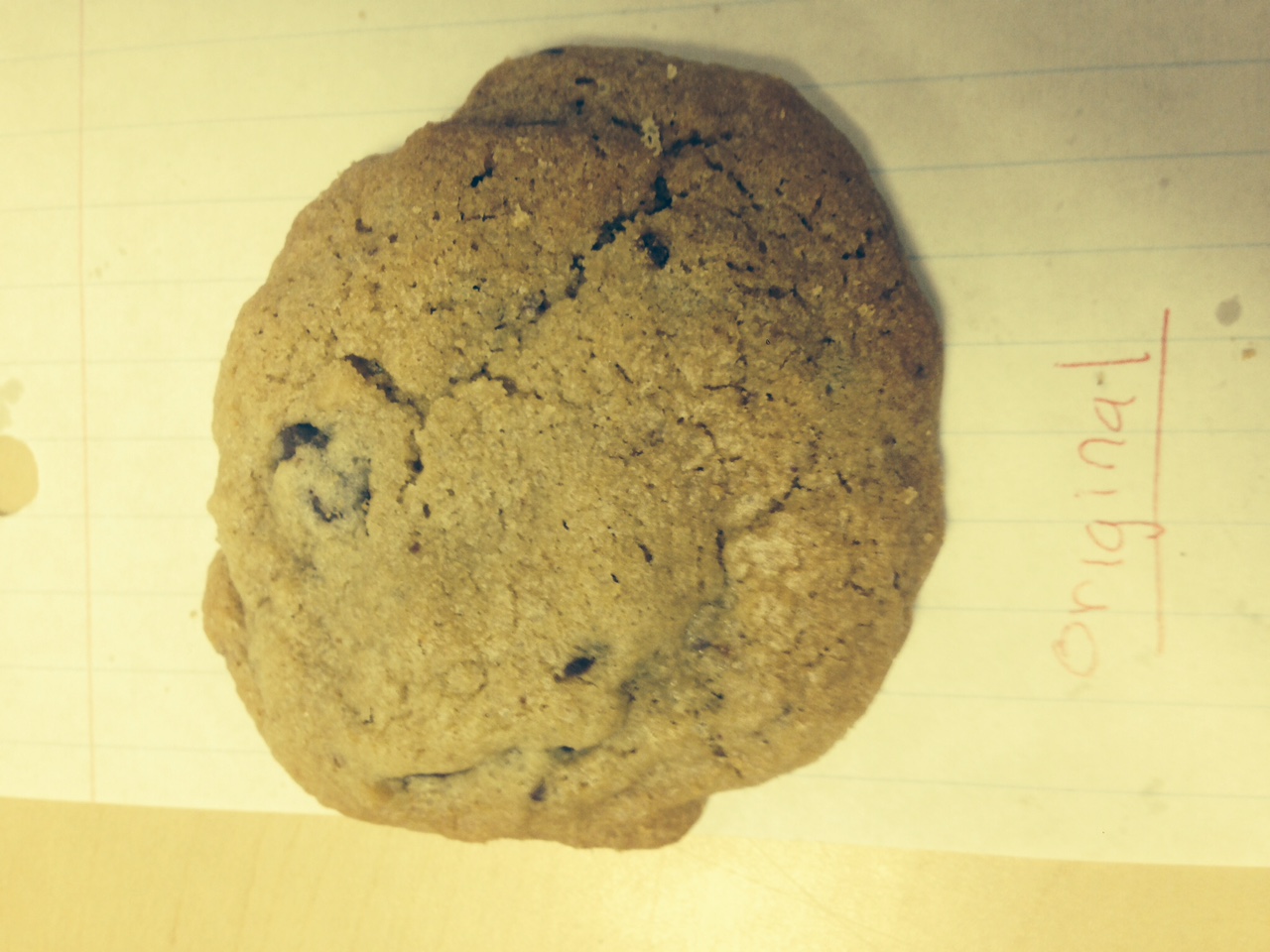
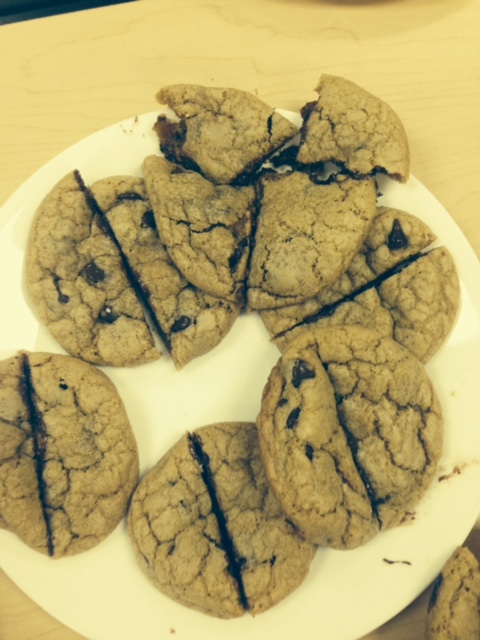
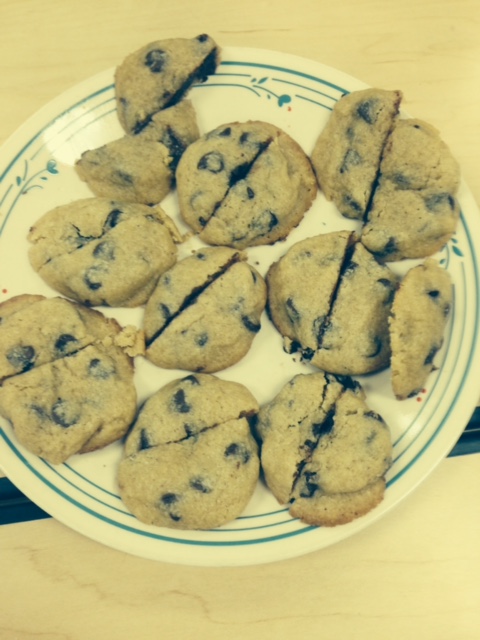
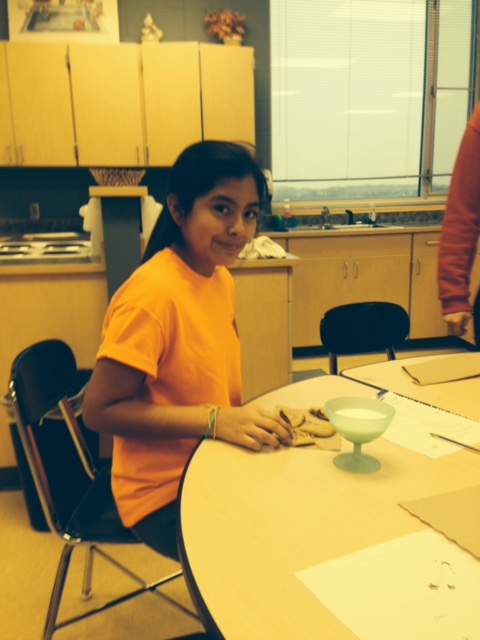
Young chefs this week focused on the scientific method through experimentation with cookie recipes. To explore this, students were given a chocolate chip cookie which was made following the recipe exactly and asked to think about the impact of altering the ingredients or cooking processes.

At Northfield Middle School, the groups choose to investigate the impact of using melted butter, altering the cooking time, using baking soda instead of baking powder and increasing the amount of vanilla extract. While the cookies were baking the students came up with different criteria to use in evaluating the cookies.

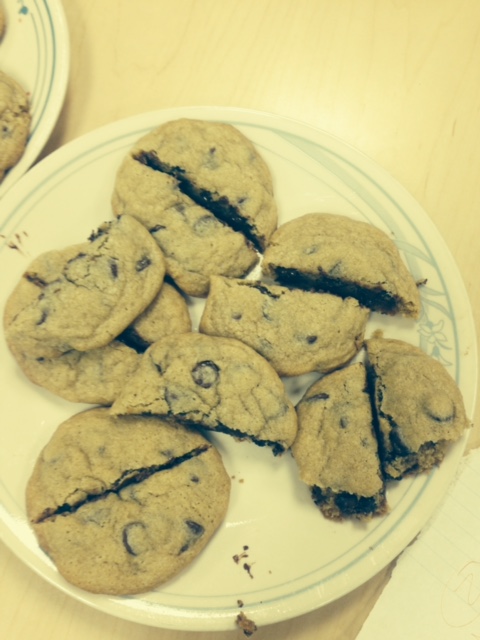
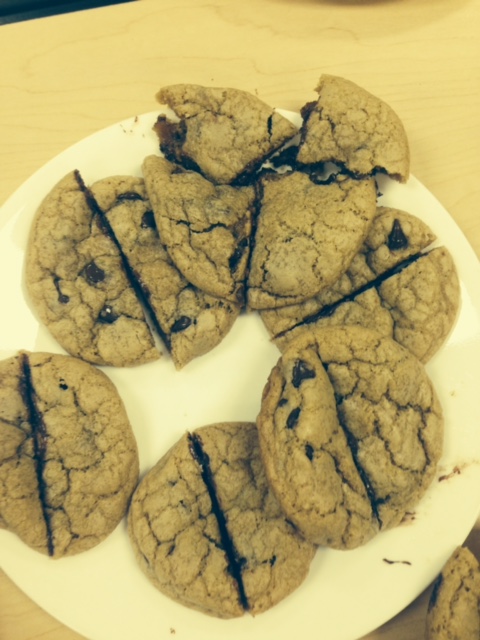
These categories included hardness, size, color and sweetness. Generally, the students were very methodical about testing the cookies and filling out their chart. Melting the butter yielded a golden brown cookie that was chewy in the center with crispier edges. When the cookies were baked for 2 minutes shorter than the recipe called for, they were very doughy in the center and had a greasy appearance.

The baking soda made the cookies less flattened out, but also gave them a bitter flavor. The vanilla cookies were not significantly different from the control in terms of flavor, and were less chewy than the cookies made with melted butter. It was almost universally agreed that the cookies with melted butter were the best and the cookies that used baking soda were the worst. Overall, the lesson was very successful because the kids were very enthusiastic about the cooking, but were also voluntarily engaged in the scientific lesson that accompanied it.

Rebecca Fairchild, Carleton College ’18

image1 (1) image1 image2 (1) image2 image3 (1) image3 image4 image5 image6

Week 2: Cookies in Faribault!

Since last week we made pizza, we had to follow it up with another classic: chocolate chip cookies. The lesson was dual-purposed. We wanted to teach the young chefs the essential art of making one of the tastiest treats and we also wanted to teach the young chefs about the scientific method.

To start the process, we brought a batch of cookies that had been made earlier in the day. These were the control and were prepared according to the recipe. We passed around a Tupperware container filled with the cookies to the large group and explained the core principles of the method. The independent variable is the variable that is manipulated, the dependent variable is the measured response to the manipulated variable and forming a hypothesis, or an educated guess, about the outcome of an experiment is an essential part to any experiment. To many of the volunteers’ amazement, the container with the cookies was largely ignored as it went around the circle. I hypothesized that this wouldn’t be the case when the lesson was over.

From there, the young chefs broke into four groups. In their groups they each decided on one variable to change to the cookie recipe. For instance one group exchanged brown sugar for white, another melted the butter prior to mixing it with the ingredients, and the third replaced baking powder with baking soda. Then the chefs made their predictions on what would happen. The guesses ranged from differences in texture to speculations about the taste.

Once the batter was made and the cookies had been put in the oven, the chefs got to taste the leftover dough that had clung on to the mixer and bowl. Some were skeptical since they had never tried cookie dough before, but after trying a finger full, all were convinced about the magnificence of cookie dough.

Once the cookies came out, the young chefs got to compare the results to what they hypothesized. The melted butter lent a thinner cookie, the baking powder made the cookie cakeier, and the brown sugar made the cookie have a butterscotch taste. In addition, each group was able to go around the room getting to observe and taste the different variations. The experiment was a success!

By Sam Bearak, Carleton College ’17

image3

Bill Yosses, former White House Pastry Chef, visits Young Chefs

It’s not everyday you have guests over from the White House. Last weekend, however, Young Chefs was lucky enough to have Bill Yosses, former white house pastry chef, come visit us in Northfield, MN. In addition to meeting all the Young Chefs staff and volunteers as well as hosting two large campus events attracting more than 400 people, Bill taught a class at the local middle school for our Young Chefs kids. During the one-hour class, he made a deliciously quick chocolate mousse, talked about polymers and foams, and also shared some of his stories from working under Mr and Mrs Obama. Our Young Chefs have been talking about it ever since!bild 2

Bill teaching a baking class for over 150 college students and faculty, many of whom are involved in Young Chefs. KIMG0293

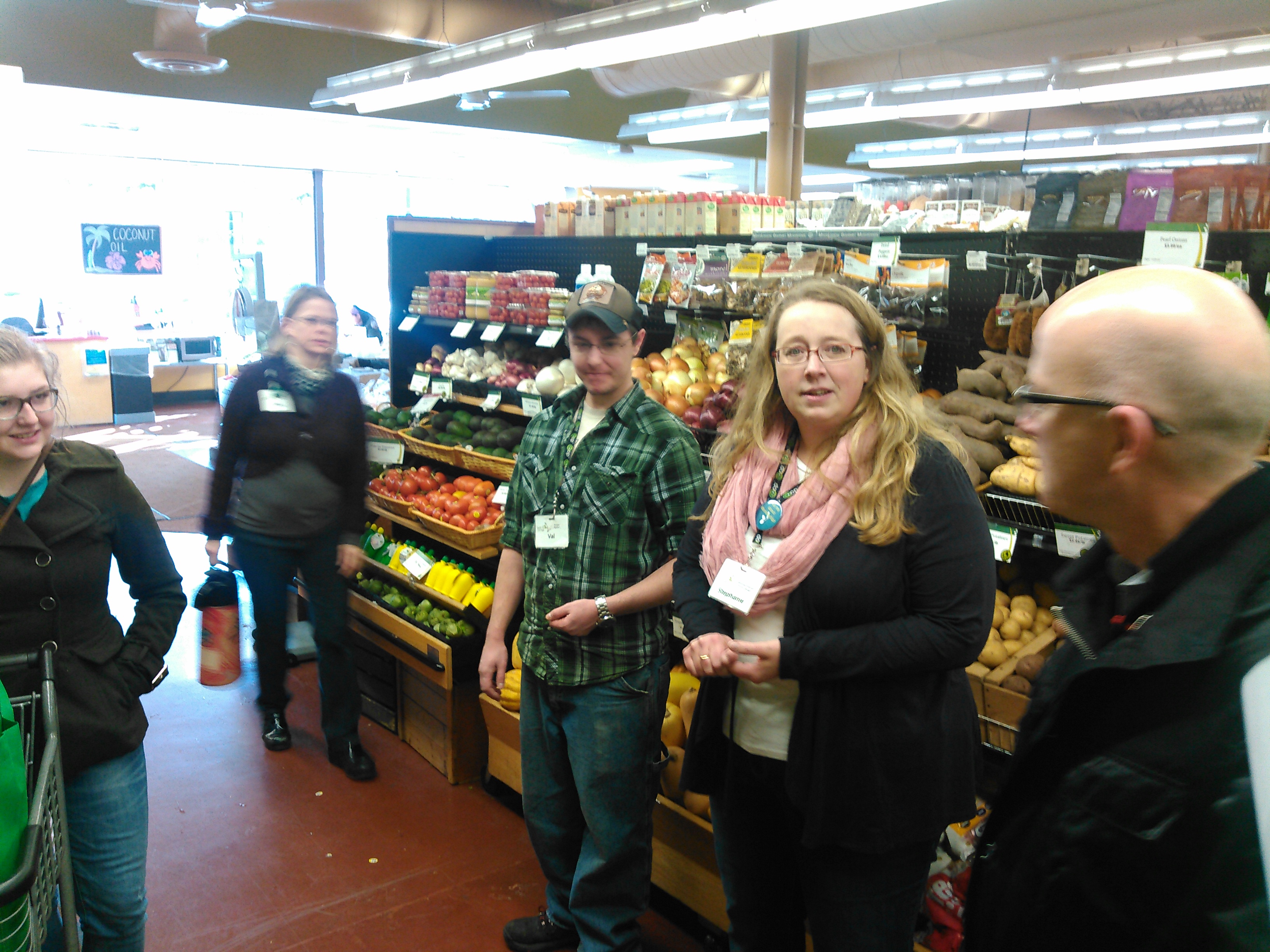
Visit at the local JustFoods coop, a crucial Young Chefs partner and one of the main sponsors of the visit.

IMG_1444

Hanging out with the Young Chefs in Northfield, MN!

IMG_1446

Fun, informative and engaging: thanks, Bill!

bild 1

A fun lunch meeting involving the Young Chefs volunteers, students, and staff.

Young Chefs Returns for Winter 2015: Pizza

On the year-end review in 2014, we asked the students what they wished they could cook. You might be surprised to learn that Brussels sprouts weren’t high on the list. Instead, the answer that was repeated over and over was pizza. And who could blame them? A life filled with pizza is surely a more fulfilled life. What can beat the combination of crispy crust, melted cheese, tomato sauce and infinite toppings? So last Thursday, our first lesson of winter term, we decided to make Brussels sprouts…just kidding.

To start things off, we had the kids take the dough (we had premade it) and roll it out to create the base for their personal pizzas. Some of the students, following the lead of the volunteers, tested their culinary techniques by tossing the dough as close as they could to the ceiling—results varied.

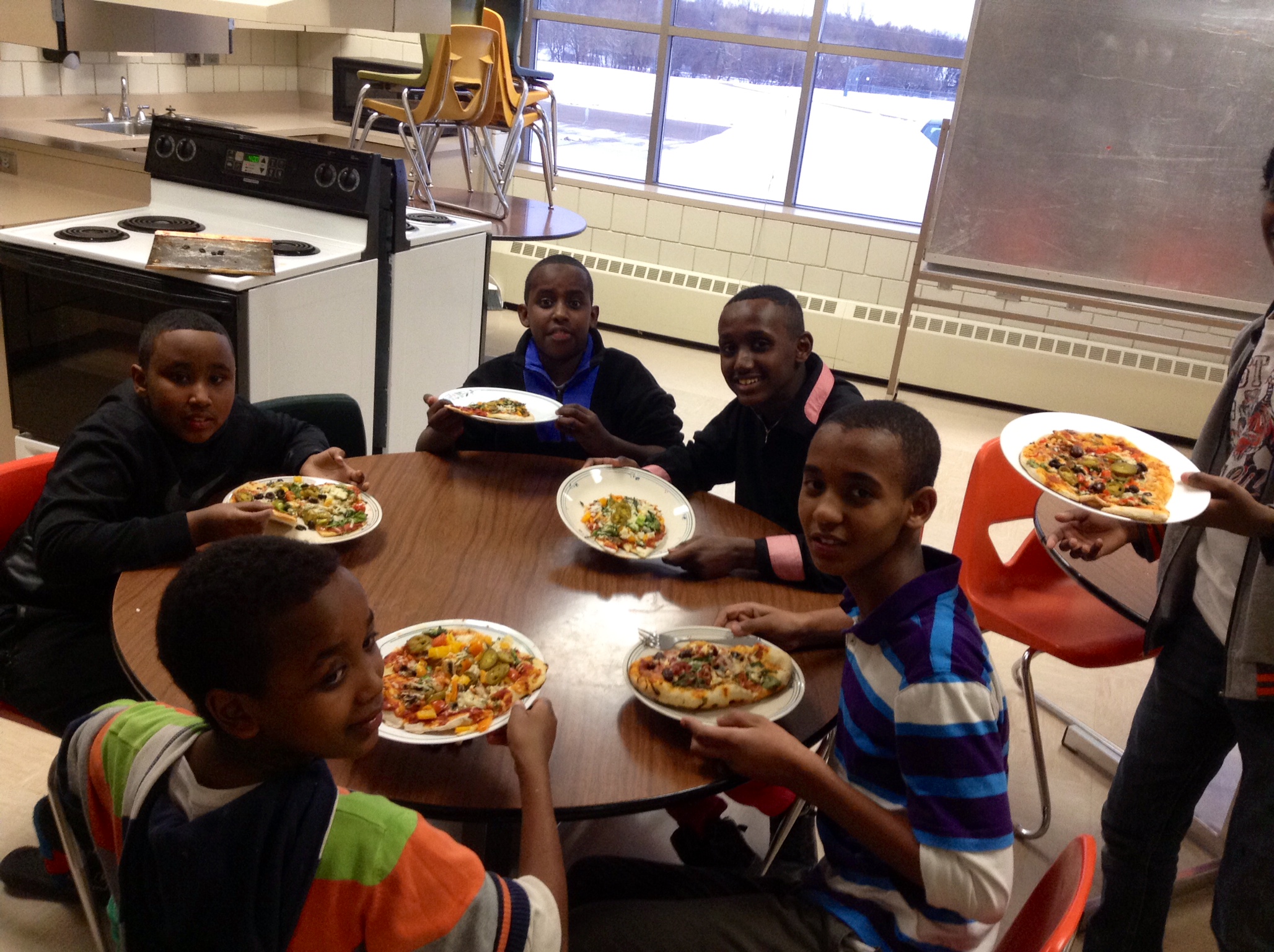
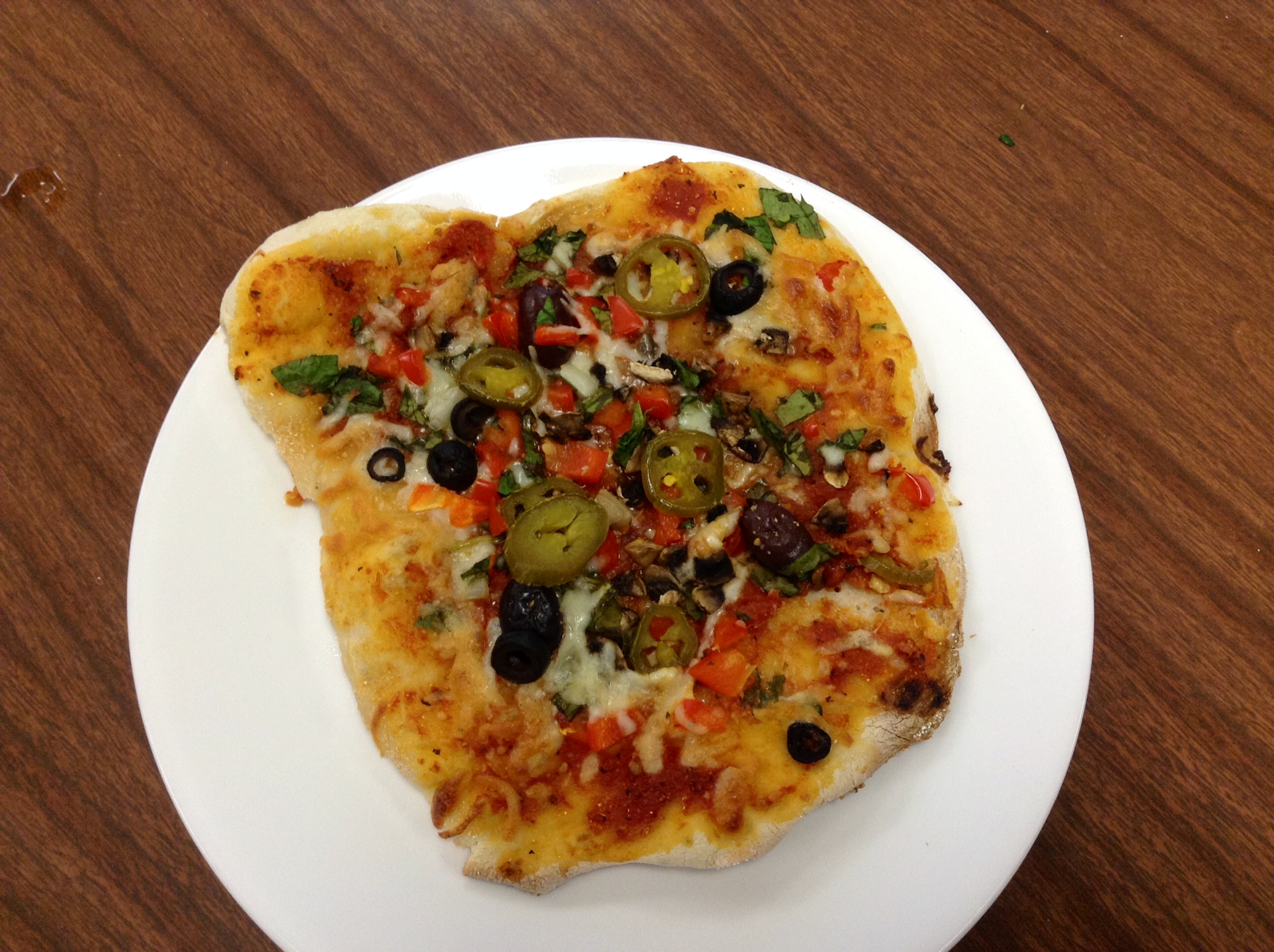
Once the dough was ready, the young chefs were able to pick out an assortment of toppings to build their masterpieces. There were olives, cherry tomatoes, jalapeños (a big hit), onions, peppers, mozzarella, Parmesan, basil and other delicious vegetables. The kids were adventurous in their choices and the pizzas looked vibrant and colorful heading into the oven.

While the pizzas cooked, the kids had the chance to make their own dough to take home. They learned about yeast—that it’s alive!—and the importance of the little microorganisms to get the dough to rise properly. In addition, they learned about gluten and how kneading makes the dough stretchy on a molecular level. It was wonderful to hear all the students recall what they had learned about gluten and microbes in our steamed buns and salsa lesson plans. After the dough was made and hands were washed, the pizzas came out of the oven to eager students and volunteers.

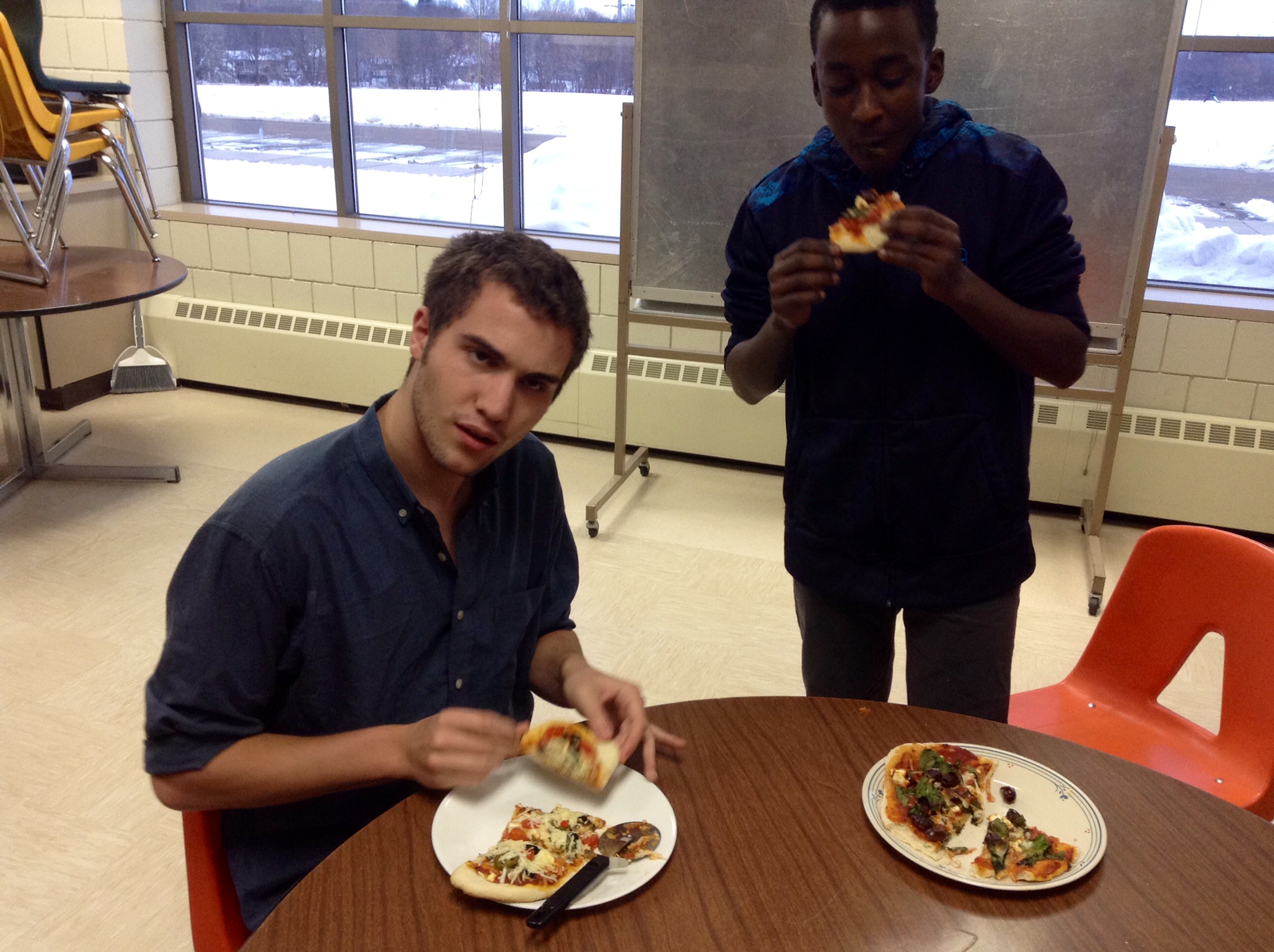
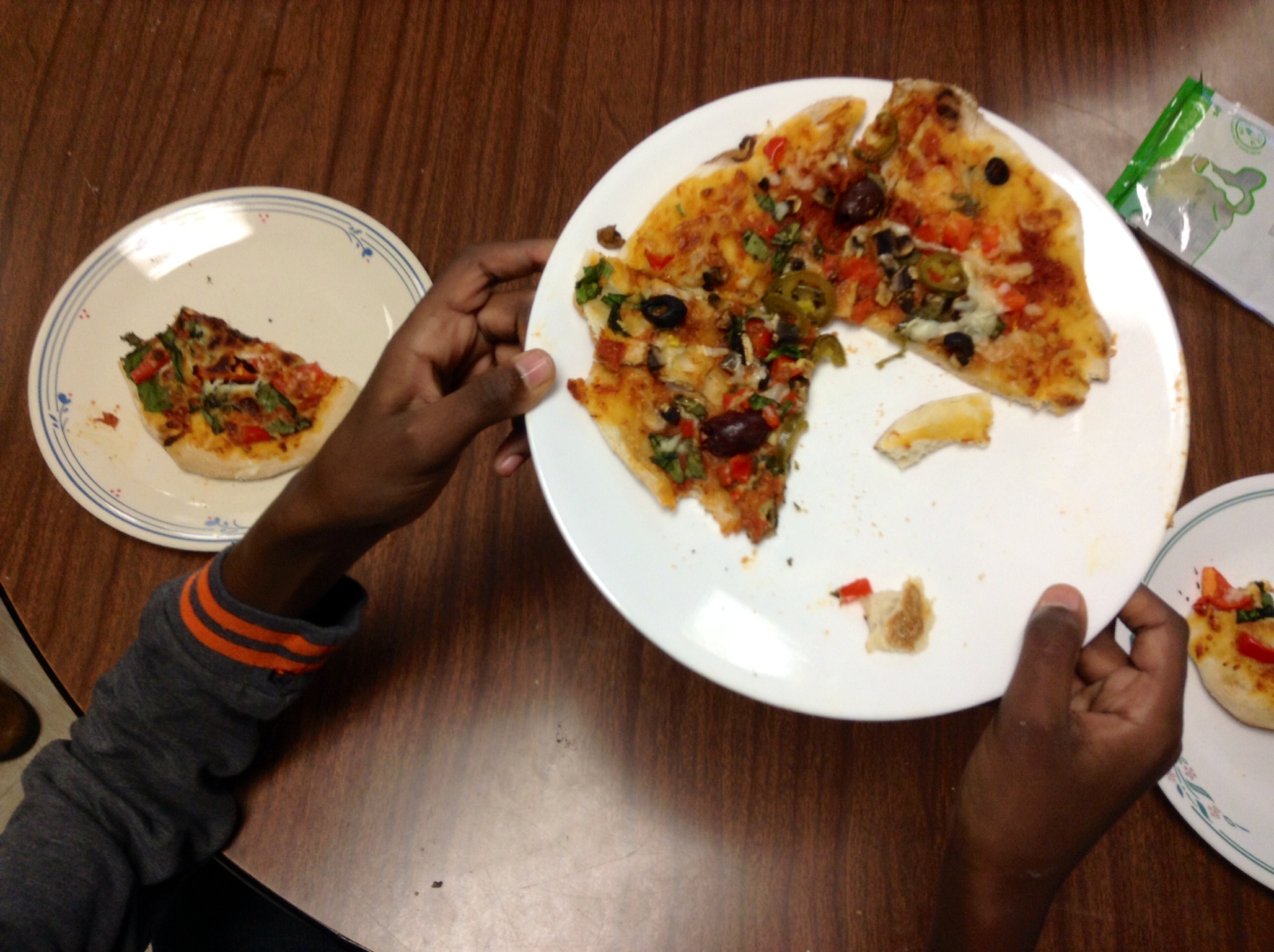
The kids traded slices with their friends, getting to try some with black olives or basil or peppers. And the best part, the kids brought some dough home with them so they could do it all over again!

Written by Sam Bearak, Carleton College ’17

bild 1 bild 2 bild 3 bild 4

Young Chefs at the New York Times Travel Show!

This past weekend, Young Chefs co-founder Vayu Maini Rekdal left frigid Minnesota for tropical NYC to present his work with Young Chefs at the New York Times travel show. Invited by Bill Yosses, former White House Pastry Chef, Vayu had the opportunity to collaborate with NASA scientist Steve Howell and present fun, edible experiments to people of all ages.

He talked about emulsions, foams, spheres, and polymers, and met a range of inspiring educators who are working to engage youth with their food. The Green Bronx Machine, SuperChefs of the Universe, Spoons Across America, and ChopChop magazine were just a few of the organizations represented. The Travel Show was the ideal catalyst for bringing us all together to share with and learn from each other. The Young Chefs Program looks forward to collaborating with these people in the near and distant future — stay tuned for details!

Even though the weekend was full of amazing moments, there is one that stands out in particular. In preparation for their presentation, Vayu and NASA scientist Steve Howell decided to impromptu experiment to alter a foaming demo they have previously used with kids. As they say, great minds think alike: after just a few minutes of conversation and hypothesis-making, the inedible foaming demo had turned into a 3-second sponge cake, which, by the way, was absolutely delicious. Stay tuned for more details.

And thanks to Bill Yosses for inviting Vayu to an incredible weekend!

nytimes2 2

NYtimes food critic Doug Duda, Formed White House Pastry Chef Bill Yosses, and Vayu Maini Rekdal, all talking before Vayu’s presentation on emulsions and salad at the main stage.

Nytimes1

Vayu explaining how spheres work at the KIDS KITCHEN section of the event.

nytimes3

The exploding milkshake. Enough said.